





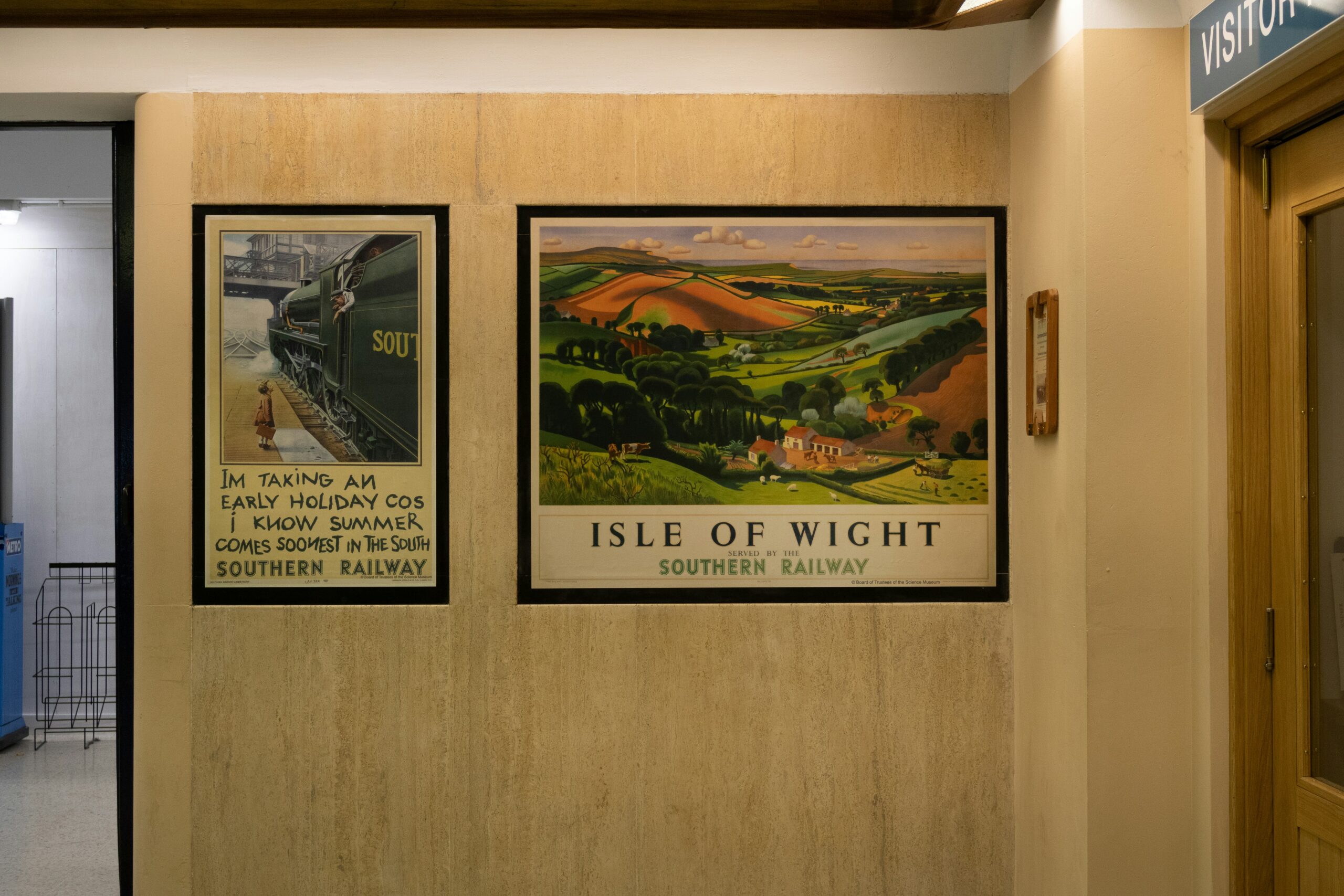
Electric buses are becoming a more visible part of public transport on the Isle of Wight. Southern Vectis introduced a fleet of 31 battery-electric double-deckers in 2026, with the first vehicles entering service in March. In an update published on 21 May, the operator said the buses had covered 234,000 miles since entering service and reported a 75% reduction in operational emissions compared with a modern Euro 6 diesel equivalent.
The figures come from Southern Vectis’s own fleet update. They provide an early indication of how the new vehicles are performing, although real-world results can vary with routes, passenger loads, weather and operating conditions.
How the Electric Bus Rollout Happened
The fleet was unveiled in Newport in February 2026. According to the operator, the investment involved Southern Vectis, the Isle of Wight Council and funding through the Department for Transport’s Zero Emission Bus Regional Areas scheme. The vehicles were built by Wrightbus in Northern Ireland, and depot charging infrastructure was prepared to support their operation.
Introducing electric buses requires more than replacing one vehicle with another. Operators need suitable charging equipment, maintenance planning, staff training and schedules that allow buses to return to the depot when needed. The operator’s May update described the initial introduction as running smoothly.
What Passengers May Notice
Quieter journeys
Electric buses generally produce less engine noise than conventional diesel buses, particularly when pulling away or waiting at stops. This can make the passenger experience quieter and may reduce some local noise around busy roads and bus stations.
Lower operational emissions
Southern Vectis reported a 75% reduction in operational emissions compared with a modern Euro 6 diesel equivalent. This is the operator’s reported comparison, not a guarantee that every journey produces the same saving. The wider environmental picture also depends on electricity generation, vehicle production and battery life.
Everyday service still matters
For passengers, the most important questions remain practical: does the bus arrive on time, is the route useful, is the fare affordable and is the service accessible? A cleaner vehicle is valuable, but the public transport network must also meet local travel needs.
Why the Investment Matters on an Island
Public transport plays a role in connecting residents with work, education, healthcare and shopping, while also helping visitors move between towns and attractions. Cleaner buses can support local environmental goals, particularly when they are used on busy routes. Reliable services can also give people more options when they cannot or do not want to travel by car.
The benefits are strongest when vehicle improvements sit alongside clear timetables, accessible stops, useful connections and ticketing that passengers can understand. Those broader factors are important to consider when assessing the progress of public transport on the Island.
What to Check Before Travelling
- Check the latest Southern Vectis timetable and service notices before setting out.
- Confirm the route and stop information for your destination, especially if you are connecting with a ferry or another service.
- Look for accessibility information if you need step-free boarding or space for mobility equipment.
- Use official operator updates for changes, rather than assuming every vehicle or route operates identically.
What Happens Next?
Southern Vectis has said it expects to welcome additional electric buses in winter 2027, which would increase the share of the main network operated by electric vehicles. That is a future expectation reported by the operator; passengers should look for further announcements as delivery dates and deployment plans are confirmed.
Monitoring reliability, energy use, emissions and passenger feedback over time will help show how the fleet performs beyond its initial months. The May figures are an encouraging early report, but longer-term data will give a fuller picture.
Frequently Asked Questions
How many electric double-deckers were introduced?
Southern Vectis announced a fleet of 31 electric double-deckers in February 2026.
What emissions reduction has the operator reported?
Its May update reported a 75% reduction in operational emissions compared with a modern Euro 6 diesel equivalent.
Where can passengers find current bus information?
Check the official Southern Vectis website for timetables, route details and service notices.
Conclusion
The electric bus rollout is a significant step in the Island’s public transport story. Southern Vectis has reported encouraging early mileage and emissions figures, while passengers will judge the change through the quality and reliability of everyday journeys. Continued updates will help residents see how the fleet develops over time.