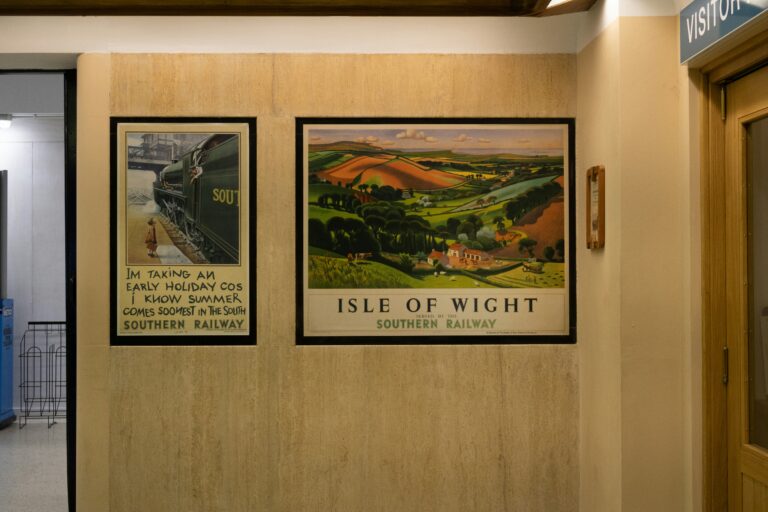






The Isle of Wight’s long-term transport plans are moving from strategy towards delivery, giving residents a reason to watch how future decisions affect everyday journeys. The Island Transport Plan was approved by councillors in February 2026 and entered its 15-year implementation phase, according to an update published by the Isle of Wight Council on 26 March 2026.
The council says the plan is intended to support economic growth, improve transport connections, strengthen the visitor economy and help people travel more sustainably. Its impact will depend on the projects chosen, funding available and how effectively different communities are included as work progresses.
What the Island Transport Plan Aims to Do
The 130-page plan sets out a long-term approach to managing transport across an island where residents and visitors rely on a mix of roads, buses, walking, cycling and cross-Solent travel. The council’s announcement says affordability was a major theme in public feedback. During consultation, 82% of respondents identified more affordable ticketing as a priority for cross-Solent travel.
Walking and cycling also featured strongly. The council reported that 66% of respondents highlighted the need for better footpaths and cycle routes. These priorities matter for residents who do not drive, households managing travel costs and visitors who want to explore without using a car for every journey.
Why Affordability and Access Matter
Transport costs can affect whether people can reach work, education, healthcare, shops and family activities. On an island, ferry prices and connections with mainland transport can add another layer to travel planning. The council’s consultation also noted that around 21% of households do not have access to a car, while approximately 14–15% of residents commute on foot as their main mode of travel.
Those figures underline why improvements need to work for different groups—not only motorists, but also bus passengers, pedestrians, cyclists, older residents, disabled travellers and families. A transport project may look successful on paper but still be difficult to use if routes, crossings, timetables or ticketing are not practical.
What Residents Can Watch Next
- Project details: look for clear information about which routes or facilities are being prioritised and when work is expected to happen.
- Public transport integration: check whether bus, ferry and other connections become easier to plan and use together.
- Walking and cycling: watch for improvements to footpaths, crossings and cycle routes, particularly where people already travel daily.
- Affordability: see whether future proposals address the ticketing and travel-cost concerns raised during consultation.
- Community updates: follow council announcements and consultation opportunities so local concerns can be raised before decisions are finalised.
A Long-Term Plan Needs Ongoing Scrutiny
A 15-year programme will not change every journey overnight. Some projects may require design work, funding agreements or further consultation before construction begins. Residents should distinguish between an announced ambition, an approved project and work that is actually underway.
The council says the consultation received 458 responses, including online forms and feedback gathered at public events. That gives the plan a community evidence base, but keeping residents informed as individual projects progress will remain important. Regular updates can help people understand what is changing, what remains under consideration and how to provide feedback.
How to Follow Official Information
Residents can read the council’s implementation announcement and use the linked Island Transport Plan documents to review the full strategy. For travel decisions, check current operator information and official notices rather than relying on old timetables or social media posts.
Frequently Asked Questions
How long is the Island Transport Plan?
The council describes it as a 15-year implementation programme.
What did residents highlight during consultation?
Affordability of cross-Solent travel, better footpaths and cycle routes were among the priorities reported by the council.
Will all improvements happen immediately?
No. The plan is long term, and individual projects may have separate schedules, funding requirements and approval stages.
Conclusion
The Island Transport Plan sets out a long-term direction for transport on the Isle of Wight, with affordability, access and sustainable travel among its themes. The key measure of progress will be whether residents can see practical improvements in the journeys they make every day. Clear project updates and continued community involvement will be important as implementation continues.