





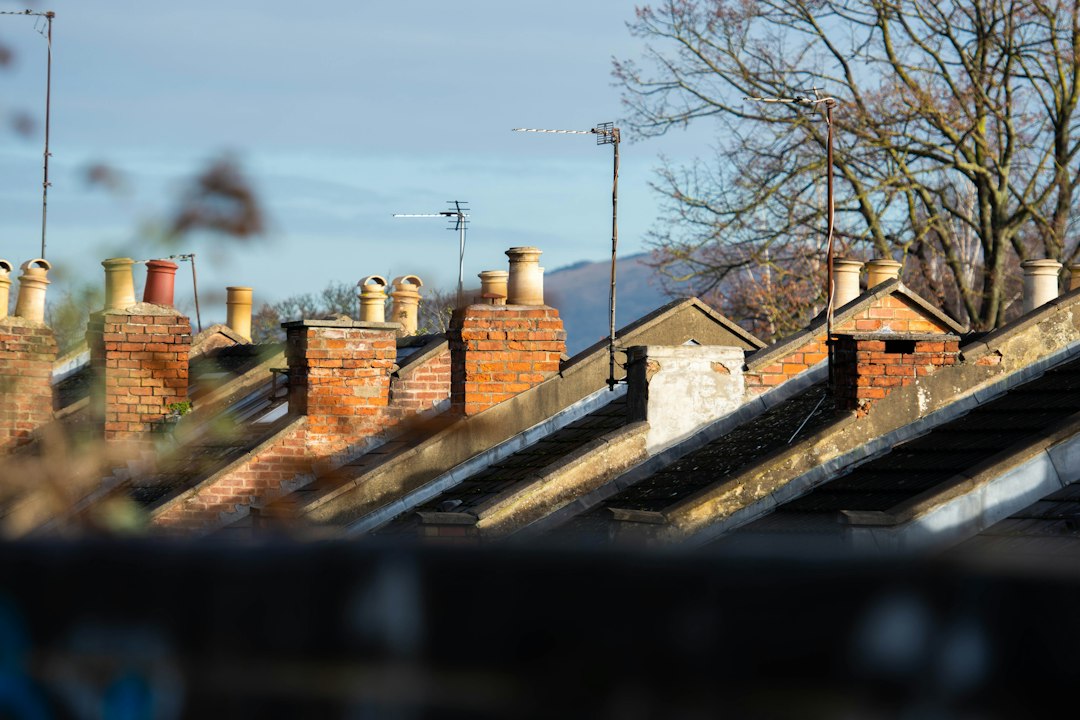
As colder weather approaches, a little preparation can make a home more comfortable and help households avoid preventable problems. This UK winter home checklist focuses on practical steps: reducing draughts, checking heating equipment, protecting pipes and planning for colder days. The best actions will depend on the age of the property, its heating system and the needs of the people living there.
Check for draughts before turning up the heat
Look around external doors, window frames, letterboxes and loft hatches for obvious gaps. Draught excluders and suitable seals can help reduce unwanted airflow. Do not block permanent ventilation openings or air bricks, particularly where fuel-burning appliances are present; ventilation is important for safety and moisture control.
Make heating work efficiently
Check that radiators are not blocked by furniture or heavy curtains and learn how to use the controls on your heating system. A programmable thermostat can help align heating with the times rooms are used. Avoid changing boiler settings without understanding the system, and arrange servicing through a suitably qualified professional in line with the manufacturer’s guidance.
Protect pipes and know where the stopcock is
During cold spells, pipes in unheated areas such as lofts, garages and cupboards may be more vulnerable to freezing. Insulating exposed pipework can reduce the risk. Find out where the internal stopcock is before an emergency happens, and keep the area accessible. If a pipe freezes or bursts, follow advice from your water supplier or a qualified plumber.
Keep ventilation and damp under control
Condensation can build up when warm, moist air meets cold surfaces. Use extractor fans where fitted, ventilate kitchens and bathrooms appropriately, and avoid drying large amounts of laundry in an unventilated room. If mould keeps returning, look for the underlying cause rather than simply cleaning the visible patch.
Use electrical and heating equipment safely
Keep portable heaters away from curtains, bedding and furniture, and never leave them operating unattended unless the manufacturer explicitly permits it. Do not overload sockets or daisy-chain extension leads. Test smoke alarms regularly and make sure everyone at home knows the escape route. Homes with fuel-burning appliances should have appropriate carbon monoxide protection and regular professional checks.
Plan for vulnerable household members
Older people, babies and those with certain health conditions may be more affected by cold indoor temperatures. Check that essential rooms can be heated safely and that residents have warm clothing, blankets and access to support. If energy costs are a concern, check current eligibility rules for official support through GOV.UK or a recognised advice service rather than relying on social media claims.
Simple energy habits worth reviewing
- Heat rooms according to use rather than heating empty spaces unnecessarily.
- Close curtains after dark while keeping radiators unobstructed.
- Use energy-efficient bulbs where practical.
- Compare meter readings and bills so unusual changes are noticed early.
- Ask a qualified installer before making major changes to insulation or heating equipment.
Frequently asked questions
Should I block every gap to keep heat in?
No. Reduce unwanted draughts, but never block required ventilation or air bricks. If unsure, seek professional advice.
What should I do if a pipe bursts?
Turn off the water supply at the stopcock if safe, protect electrical safety, and contact a qualified plumber or your insurer as appropriate.
Where can I check official help with energy bills?
Use current information from GOV.UK and trusted local advice organisations, as eligibility and schemes can change.
Final thoughts
A winter-ready home does not require every improvement at once. Start with safety checks, draughts, heating controls and exposed pipes, then prioritise larger upgrades based on your property and budget.