





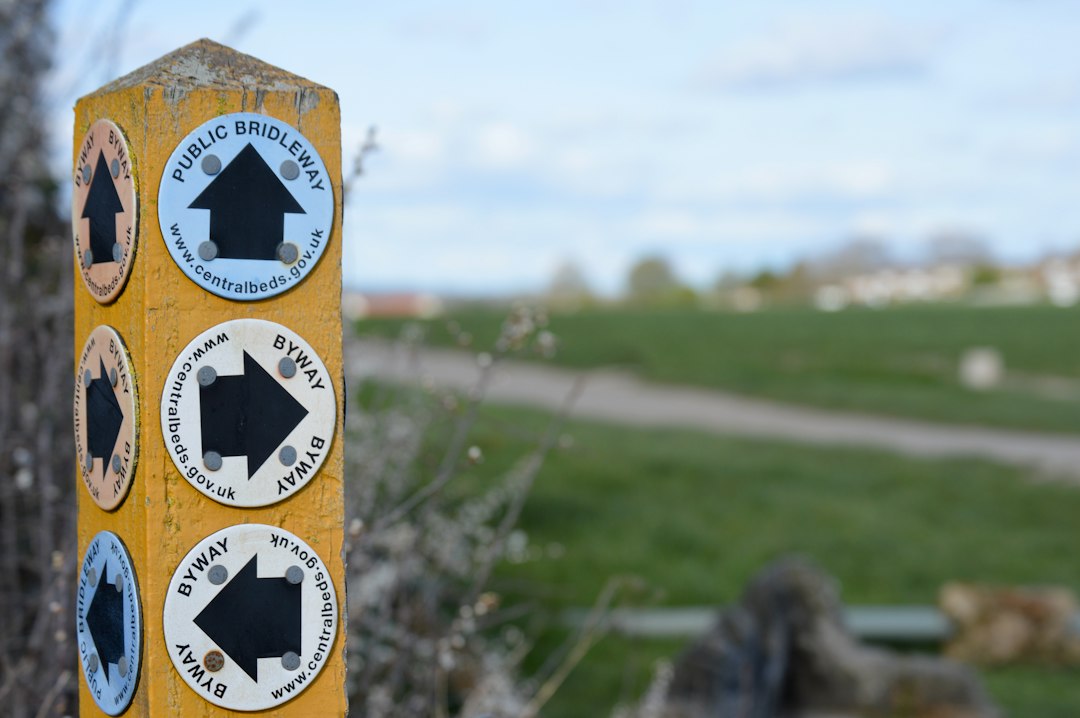
The Isle of Wight offers walkers a mix of coastal views, countryside paths and village routes. Autumn can be a rewarding time to explore, but shorter daylight hours, wet ground and changeable weather make preparation important. A little planning helps you choose a route that suits your ability and avoid rushing to finish before dark.
Choose a Route That Matches Your Group
Start with the distance and terrain, not just the view. Check the route length, estimated walking time, elevation changes, surface conditions and whether there are convenient places to stop. A route that looks short on a map can take longer if it includes steep sections, mud, steps or exposed coastal paths.
If you are walking with children, older relatives or someone who is new to hiking, choose a shorter route with clear return options. Build in time for breaks and remember that the slowest member of the group sets the pace.
Check Weather, Daylight and Local Path Notices
Look at the forecast before leaving and check for local notices about closures, path diversions, erosion or landslips. Coastal conditions can change quickly, and a path shown on an old map may not be safe or open today. Use current local route information and follow signs on the ground.
Plan to finish well before sunset. Carry a charged phone, but do not rely on mobile coverage being available everywhere. A downloaded map or paper route notes can help if signal is weak.
Wear Footwear and Layers for the Ground
Choose shoes with a secure fit and a sole that grips the surface. Muddy paths, wet leaves and uneven ground can be slippery, so smooth-soled fashion shoes are not ideal for longer walks. A waterproof outer layer and an extra warm layer are useful when wind or showers are possible.
- Bring water and a small snack for longer routes.
- Carry a basic first-aid kit and any personal essentials.
- Use a small bag that leaves your hands free for balance.
- Keep clothing visible in low light and pack a light if you may be out late.
Stay Back From Cliffs and Respect the Coast
Keep to marked paths and obey warning signs. Do not walk close to cliff edges for a photograph, and never cross barriers or attempt to pass a closure. Coastal erosion and unstable ground may not be obvious from above. If a path looks damaged or conditions feel unsafe, turn back and choose another route.
Check tide information if your route includes a beach or low-lying coastal section. Never assume a beach route will remain passable for the whole walk. Keep dogs under control around livestock, wildlife and other path users, and follow local guidance about where dogs may be allowed.
Make a Simple Plan Before You Leave
- Choose a route and a realistic turnaround time.
- Check the latest forecast and local path information.
- Tell someone where you are going and when you expect to return.
- Pack water, layers, a charged phone and an offline map.
- Turn back if weather, visibility or the path becomes unsafe.
Frequently Asked Questions
Are coastal walks suitable for beginners?
Some routes are suitable for beginners, but difficulty varies. Read the route description carefully and choose a short, clearly marked walk with an easy way to return.
Should I check tide times?
Yes, whenever the route uses a beach, foreshore or low-lying coastal section. Follow local signs and do not enter a section that may become cut off.
What should I do if a path is closed?
Respect the closure and use a signed diversion or another route. Do not climb around barriers or walk beneath unstable cliffs.
Final Thoughts
A good Isle of Wight coastal walk is one that fits the group, the weather and the available daylight. Check current local information, take sensible supplies and leave enough time to enjoy the route without rushing.