
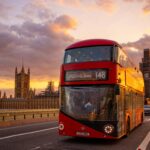



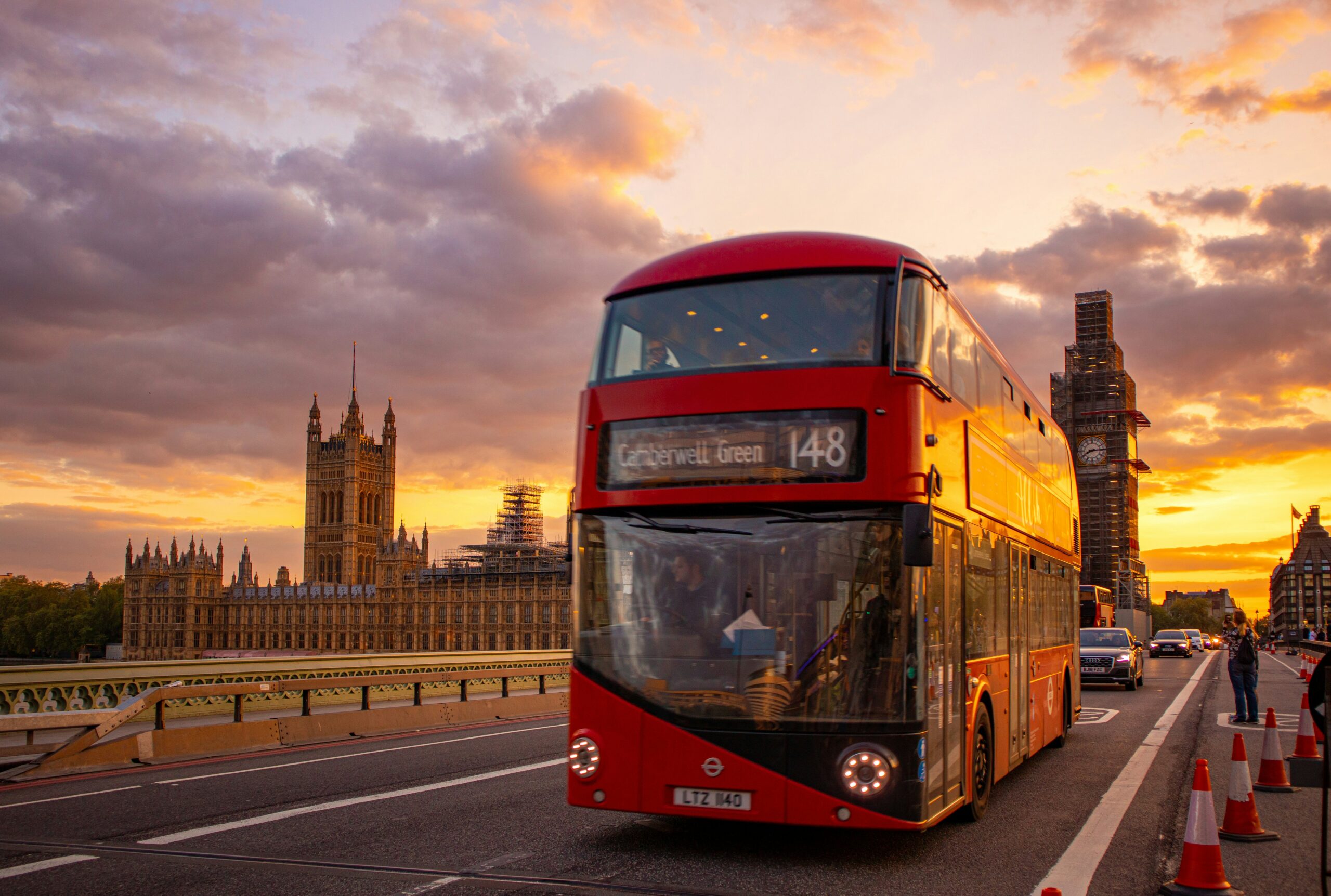
A government campaign launched on 19 October encourages rail passengers to use headphones, while new guidance supports local bus rules targeting nuisance behaviour and fines of up to £100.
The UK Government has launched a new campaign to tackle antisocial behaviour on public transport, including loud music played through mobile phones, vaping and littering. Announced on Monday, 19 October 2026, the measures combine a nationwide rail awareness campaign with guidance to help local transport authorities in England use their powers to address nuisance behaviour on buses.
Under the bus measures, passengers who refuse to comply with local rules could face fixed penalties of up to £100. On trains, the campaign encourages passengers to use headphones and respect other travellers. The Department for Transport says rail passengers who refuse to stop when asked by authorised staff may be removed at the next station or face fines of up to £1,000, depending on the circumstances. (Department for Transport announcement)
What Has the Government Announced?
The campaign uses the message “share the journey, not the noise” to remind rail passengers not to play music or videos aloud, make calls on speakerphone or disturb others with unnecessary noise. Posters, online messages and announcements are intended to make expectations clearer across the rail network.
Alongside the rail campaign, new guidance explains how local transport authorities can use powers under the Bus Services Act 2025 to tackle nuisance behaviour on buses. Possible issues include loud music, littering, vaping and threatening behaviour.
How Could the £100 Bus Penalty Work?
The legal power for local transport authorities in England to introduce local rules addressing nuisance behaviour on buses came into force on 5 August 2026. The guidance published on 19 October is intended to help authorities put those rules into practice.
The £100 figure is an upper limit for fixed penalties, not an automatic fine for every incident. Each authority must establish its own local rules, and every proposed byelaw needs approval from the Secretary of State before it can be enforced. Local arrangements may therefore differ between areas.
Who Will Enforce the Rules?
Bus drivers will not be expected to enforce the new rules. The Government says authorised officers, including transport safety officers and police, will deal with incidents. The guidance describes a staged approach: engage with the passenger, explain the rule and its impact, and take enforcement action if the person refuses to comply.
What About Loud Music on Trains?
The rail campaign is designed to give passengers a consistent reminder across different operators. Existing railway rules already allow authorised staff to respond when a passenger refuses to follow instructions. The Government says persistent offenders may be removed from a train at the next station or face a fine of up to £1,000.
The new campaign is primarily a public-awareness effort. It does not mean every passenger who briefly plays audio aloud will automatically receive a fine. The response will depend on the rules in force and the circumstances of the incident.
Why Is the Issue Receiving Attention?
Noisy phone use and other disruptive behaviour can make journeys uncomfortable, particularly for passengers who are sensitive to noise or rely on public transport for work, education and healthcare. Campaign for Better Transport has said that antisocial behaviour can discourage people from using buses and trains, while emphasising that consistent and visible enforcement will matter if the measures are to make a difference.
The policy also raises practical questions about how local authorities will communicate their rules and resource enforcement. The Government has said that drivers will not carry out this role, leaving incidents to authorised officers and police.
What Should Passengers Do Now?
- Use headphones for music, videos and other audio on trains and buses.
- Avoid speakerphone calls and keep conversations at a considerate volume.
- Do not vape or litter on services where these activities are prohibited.
- Follow reasonable instructions from authorised transport staff.
- Check local transport authority information for the rules that apply to a particular bus network.
What Happens Next?
Local transport authorities will decide how to apply the new bus powers in their areas, subject to the required approval process. The rail campaign is intended to establish a clearer, more consistent message across operators.
The practical impact will depend on how clearly the rules are communicated and whether enforcement is proportionate and consistent. For now, the main message to passengers is straightforward: keep audio private, respect fellow travellers and follow the instructions of authorised staff.
Sources